
Guide
Monster Hunter Outlanders Tips and Tricks for Better Hunts
Monster Hunter Outlanders tips and tricks that work: weapon habits, reading monsters, buddy teamwork, co op sense and knowing when to retreat.

FIELD GUIDE On this page
Monster Hunter Outlanders tips are the small, repeatable habits that separate hunters who finish quests comfortably from hunters who cart out of easy fights: knowing your weapon, watching the monster, using your buddy well and leaving a hunt before it collapses. None of these require faster thumbs than yours. They require attention, and attention is trainable. Bookmark Monster Hunter Outlanders guides like this one, pick two habits at a time, and let them become automatic before adding more.
Learn one weapon properly first
The fastest progress comes from depth before variety. Pick one of the eight weapon types, Great Sword, Long Sword, Dual Blades, Hammer, Lance, Charge Blade, Heavy Bowgun or Bow, and hunt with it until its rhythm feels boring. Boring is good: it means your hands know the weapon and your eyes are free to watch the monster. Switch weapons after that foundation and the second one will take half the time, because the hunting underneath, spacing, timing and patience, is the same skill wearing different clothes.
When you are ready to widen out, exploring Aesoland thoroughly gives your practise somewhere beautiful to happen, and exploration hunts are the lowest pressure place to learn a new weapon against real monsters.
Watch the monster, not your hunter
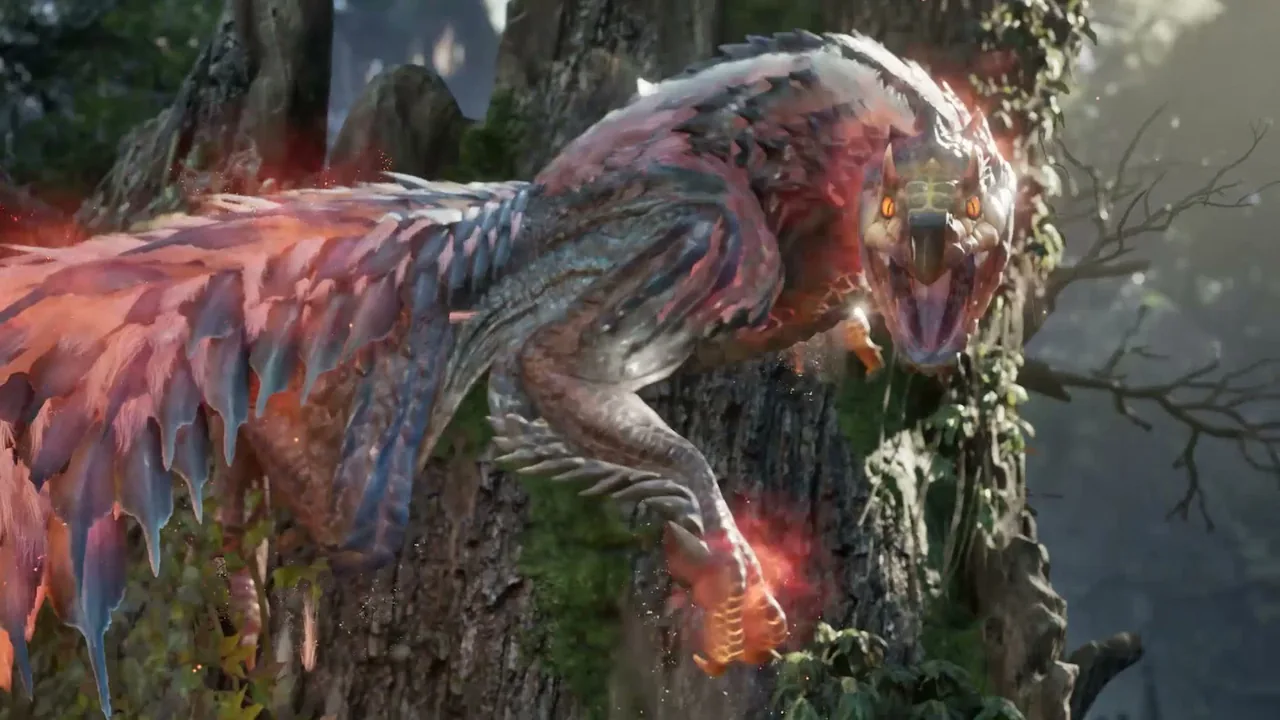
New hunters stare at their own character. Experienced hunters stare at the monster and let their character look after itself. Monsters telegraph: a shoulder drops before a charge, a head lowers before a bite, a tail lifts before a sweep. Every Radiant Species carries the same honesty in its movements, just written larger and stranger by Radiantite. Stand back for the first minute of a new fight and simply watch. The patterns you learn in that minute will save you more health than any armour you own. Every Monster Hunter Outlanders monster is honest in this way once you learn to look.
- Spend the first minute of a new fight mostly watching
- Name each attack out loud as you learn it: it sticks faster
- After a monster roars or glows, expect something new
- If you are surprised twice by the same move, slow down, not up
Your buddy is a teammate, not a decoration
Palico, Rutaco and Trillan are not pets following you for charm. Buddies draw attention, create openings and support you in ways that change how a fight flows. Position with that in mind: when your buddy has the monster facing them, that turned back is your invitation to work. Swap buddies as your hunts change, because the support that suits a slow Great Sword hunt may not suit a fast Dual Blades one. Hunters who treat the buddy slot as a real choice finish hunts that identical hunters fail alone. In Monster Hunter Outlanders, the buddy slot is a strategy choice, not a cosmetic one.
Prepare like the hunt starts at camp
Won hunts often begin before the monster appears. Eat, stock items, check your weapon and think about where the fight will happen. Terrain matters: open ground favours wide swinging weapons, tight ground punishes them. If a hunt offers building and traversal options, use them to shape the fight rather than accepting whatever ground the monster chooses. The systems behind that are covered in the crafting and building guide for shaping hunts, and ten minutes there will change how you read every arena.
Retreat is a hunting skill
Leaving a bad fight to heal, reposition or simply breathe is not failure. Failure is spending your last healing item at half health because pride would not let you step back. Make space, use the pause properly, and re enter on your terms. The same applies to whole hunts: abandoning a quest that has gone wrong costs a little time, while grinding against it in a temper costs an evening. Calm hunters play this game for years. Proud hunters uninstall it in a month. Monster Hunter Outlanders is a long game, and calm is the resource that lasts.
Co op makes good hunters better
In four player co op, your job is your share of the fight, done reliably. Stay out of teammates swings, call attention to the monster changing targets, and resist competing for the showy finish. Guild hunts especially reward steady players, because a team of four calm hunters clears content that four heroes cannot. Bring your solo habits into the group unchanged and you will be the teammate everyone hopes to see join. That reputation follows you in Monster Hunter Outlanders longer than any single hunt result.
Quick Answers
What is the best tip for new Monster Hunter Outlanders players?
Learn one weapon deeply first, and watch the monster instead of your own hunter. Those two habits carry most of the game.
How many weapon types are in Monster Hunter Outlanders?
Eight: Great Sword, Long Sword, Dual Blades, Hammer, Lance, Charge Blade, Heavy Bowgun and Bow.
Do buddies really help in a hunt?
Yes. Palico, Rutaco and Trillan draw attention and create openings. Treat the buddy choice as part of your hunt preparation.
Is retreating from a fight a bad idea?
No. Stepping back to heal and reposition is a core hunting skill. Pride carts more hunters than monsters do.